More kilowatts always sounds better, and it is always more expensive to buy and to run. The right size is the one that clears your thickest regular job with margin and runs your bread-and-butter gauge fast, without paying for headroom you will never use.
Size to the job you do every day
The most common and most expensive mistake is sizing for the rare thick part instead of the everyday work. If ninety percent of your cutting is thin to mid-gauge sheet and one job a month is heavy plate, do not buy the machine for that one job. Size for the daily work and find another route for the outlier, whether that is a slower pass, a saw, or sending the rare part out.
Pay for the work you do every week. Solve the once-a-month part a different way.
What more power actually buys you
Higher wattage does two things. It raises the maximum thickness you can cut, and it raises cutting speed on a given thickness. Those are real benefits, but they are not free and they are not linear.
- Top-end thickness. Each step up in power lifts the practical ceiling, but edge quality and cut consistency near the very top of a machine's range are never as good as in its comfort zone. Plan to live in the comfort zone, not at the limit.
- Speed on thin material. On thin sheet, extra power means faster cuts and more parts per shift, which is where higher wattage pays back fastest in a high-volume thin-gauge shop.
- Diminishing returns. Doubling the power does not double the thickness or halve the cycle time. The curve flattens, so the highest tiers only make sense for genuinely heavy, high-volume work.
The hidden costs of going big
A higher-power machine is not just a bigger purchase. It draws more electrical power, can use more assist gas, and may need a larger chiller and heavier services. On a slim-margin shop, the running cost of an oversized laser quietly eats the savings you imagined. We will put the running cost on the table next to the purchase price so you are deciding on the full number.
Don't forget assist gas
Cut quality and cost are tied as much to assist gas as to raw power. Nitrogen gives clean, oxide-free edges on stainless and aluminium but is expensive in volume. Oxygen is cheaper and assists the cut on mild steel but leaves an oxide edge. The gas strategy you can sustain affects which power tier actually makes sense, so it belongs in the sizing conversation from the start.
Format and automation matter too
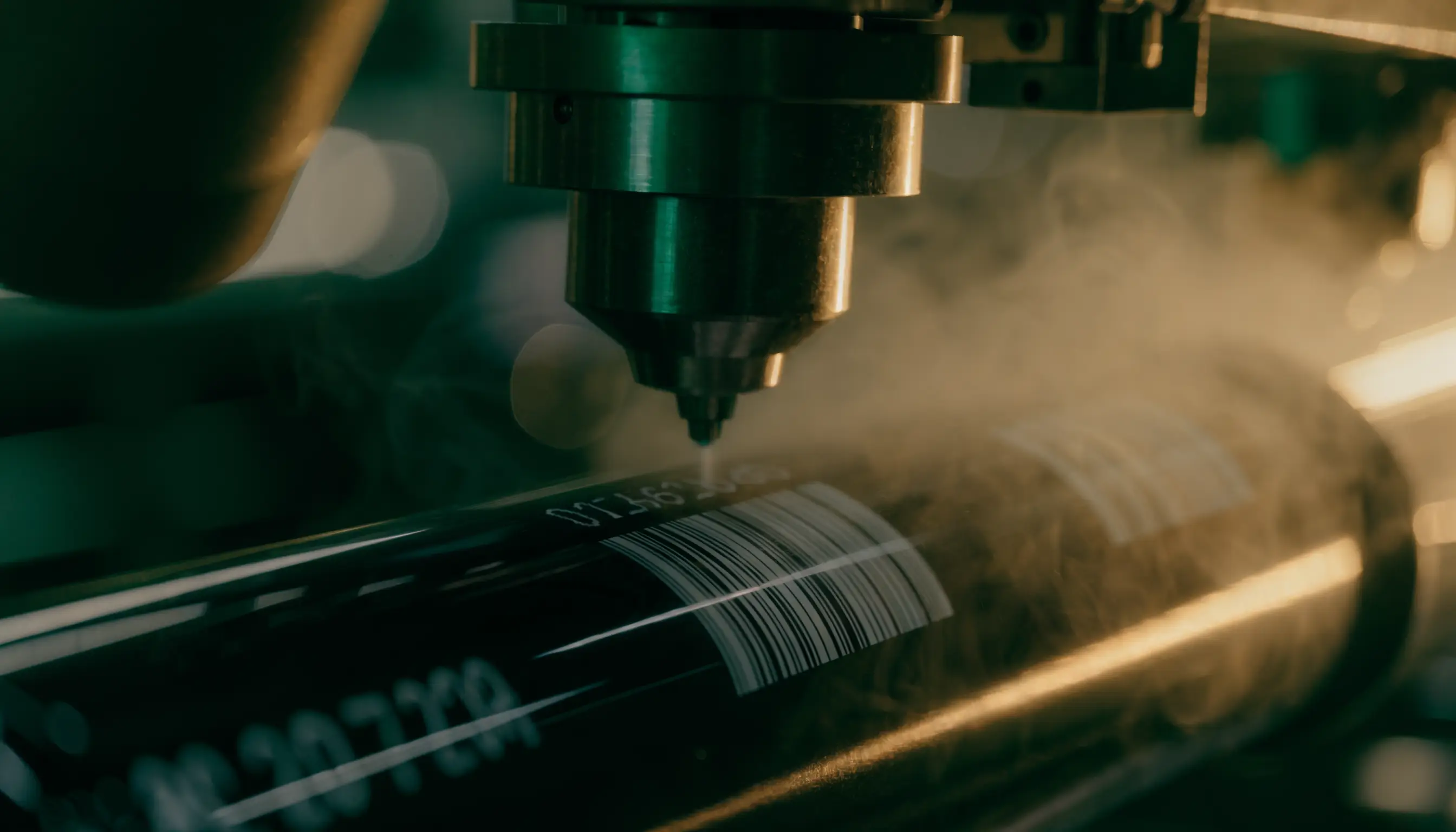
Wattage is only one axis. The bed size has to fit your sheet, and your throughput often depends more on how fast you load and unload than on the cut itself. If the machine cuts faster than your team can feed it, a pallet changer or tube attachment may add more real output than another kilowatt. Tube and pipe work in particular is a format question, not just a power question.
How we size it with you
Give us three numbers and we can point at a tier with confidence:
- Your most common material and gauge, and roughly what share of work it is.
- Your thickest regular job, the one you actually need to clear in-house.
- Your sheet or tube format and rough volume per shift.
From there we recommend a specific machine and assist-gas approach, and we will tell you when a lower tier is the smarter buy.
Send us your gauges and volumes and we will size a machine to the work and quote it. Browse the fiber laser range, or if you are still choosing a technology, read fiber versus CO2 first.