The fiber-or-CO2 question almost always answers itself once you write down two things: what you cut, and how thick. The rest is detail. Here is how we walk a customer through it on the floor, with no pressure to land on the more expensive machine.
Start with the material, not the laser
The single biggest divider is metal versus non-metal. A fiber laser produces a tightly focused beam at a wavelength that metal absorbs efficiently. A CO2 laser runs at a longer wavelength that reflective metals shrug off but that organics drink up. That physics, not marketing, is what should drive the decision.
If the bulk of your work is sheet and tube metal, you want fiber. If the bulk is acrylic, wood, MDF, paper, card, leather, rubber, foam or fabric, you want CO2. Most shops have a clear majority on one side, and that majority should buy the machine.
Where fiber wins
- Metal of every common kind. Mild steel, stainless, aluminium, brass and copper. Reflective metals that frustrate other methods are squarely in fiber's range.
- Speed on thin to mid-gauge sheet. On thinner sheet, fiber is fast, and the running cost per part is low because there is no consumable optic burning away.
- Tight, clean kerf. A narrow cut means less material lost and parts that often need little or no secondary finishing before welding.
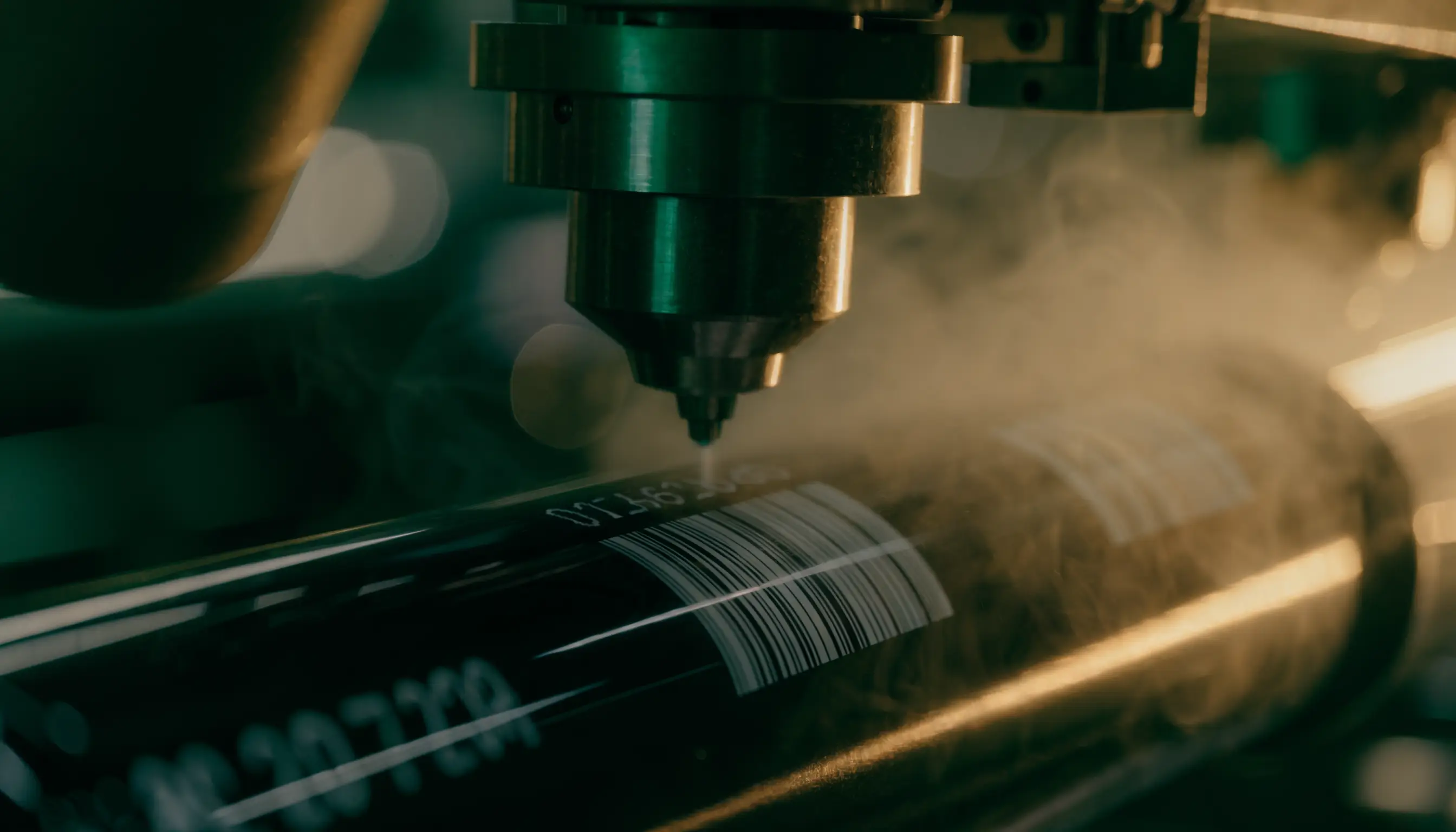
- Marking and engraving on metal. A fiber source also does permanent serialisation and 2D codes, which matters if traceability is part of the job.
If you cut metal for a living, the conversation is almost always about which fiber laser, not whether to buy one.
Where CO2 wins
- Acrylic, above all. CO2 gives acrylic a flame-polished, glass-clear edge that fiber simply cannot match. For signage and display this is decisive.
- Wood, MDF and board. Clean cuts and crisp engraving for furniture parts, models, fittings and packaging prototypes.
- Paper, card, textiles, leather, rubber and foam. The wide range of soft and organic materials lives on CO2.
- Mixed non-metal work. If your day jumps between materials but they are all non-metal, one CO2 bed covers the lot.
The honest grey areas
Two situations cause most of the indecision, so it is worth being plain about them.
Thick metal
Very heavy plate is its own conversation. Fiber covers a wide thickness range when you put enough power behind it, but at the top end you are also weighing edge quality, gas cost and whether cutting is even the right process versus a saw or waterjet. Tell us the gauge and we will be straight about where the sensible limit sits for your budget.
Mixed metal and non-metal in one shop
If you genuinely cut both metal and acrylic in volume, one laser will always be a compromise. The honest answer is often two machines, a fiber for metal and a CO2 for non-metals, rather than forcing one to do both jobs badly. We would rather tell you that than sell you a single machine you will outgrow in a year.
A quick way to decide
- Mostly metal sheet and tube, any gauge: fiber.
- Mostly acrylic, wood and soft materials: CO2.
- Permanent metal marking or coding: fiber (marker class).
- Both metal and non-metal in real volume: two machines, sized to each job.
Tell us your materials and your thickest regular job and we will recommend a specific machine and quote it, with no pressure to size up. See the fiber laser and CO2 laser ranges, or read our note on how much fiber laser power you actually need.